Introduction
In the modern construction and materials engineering landscape, innovative solutions are continually being sought to improve performance and longevity. One such solution is the incorporation of steel fibres in various applications, particularly in high-temperature environments. While many engineers and architects recognize the benefits of using steel fibres, there are still lingering concerns about their performance under extreme conditions. This article delves into these concerns, addressing each one systematically to provide clarity and insight.
What Are Steel Fibres?
Steel fibres are small pieces of steel that are added to concrete or other composite materials to enhance their mechanical properties. These fibres can vary in shape, length, and aspect ratio, which significantly influences their effectiveness. By incorporating steel fibres into concrete mixtures, engineers can achieve improved tensile strength, ductility, and resistance to cracking.
Types of Steel Fibres
There are several types of steel fibres commonly used:
Hooked-End Steel Fibres: These have a hook at one end that helps anchor them within the concrete matrix. Straight Steel Fibres: These are often used for applications requiring minimal reinforcement. Crimped Steel Fibres: These have a wavy structure that provides additional bonding within the concrete.Properties of Steel Fibres
When discussing steel fibres, it's essential to consider their physical properties:
- Tensile Strength: The ability of steel fibres to withstand tensile stresses. Ductility: The extent to which steel fibres can deform before breaking. Bonding Capacity: How well steel fibres adhere to the surrounding material.
Understanding these properties is crucial for addressing common concerns about using steel fibres in high-temperature environments.
Why Use Steel Fibres?
The incorporation of steel fibres into concrete mixes offers numerous advantages:
- Improved tensile strength Enhanced toughness Reduced shrinkage cracking Increased durability under dynamic loads
These benefits make steel fibres an attractive option for various applications, including slabs on grade, pavements, precast elements, and shotcrete applications.
Addressing Common Concerns About Using Steel Fibres in High-Temperature Environments
High-temperature environments pose unique challenges for construction materials. When utilizing steel fibres in such conditions, several common concerns arise:
Thermal Conductivity Chemical Reactions Structural Integrity Fatigue Resistance Cost ImplicationsEach concern warrants a detailed examination to understand how steel fibres can be effectively utilized without compromising safety or performance.
Thermal Conductivity
One Steel Fibers significant concern is whether the thermal conductivity of steel fibres might lead to excessive heat transfer within a material subject to high temperatures. Generally speaking, while steel does conduct heat well, when integrated with concrete or other composites, it contributes positively by allowing heat dissipation rather than Steel Fibres concentrating it.
Key Considerations:
- The thickness of the concrete layer Environmental conditions Type and amount of steel fibre used
Chemical Reactions
Another concern revolves around potential chemical reactions between steel and other materials at high temperatures, which could lead to deterioration over time. In practice, while some reactions may occur (such as oxidation), proper treatment and selection of corrosion-resistant coatings can mitigate these risks effectively.
Preventive Measures:
| Method | Description | |----------------------|----------------------------------------------------| | Coating | Apply anti-corrosive coatings on fibers | | Material Selection | Use stainless or alloyed steels for better resistance |
Structural Integrity
Some skeptics question whether Concrete Reinforcement integrating steel fibres into high-temperature scenarios affects overall structural integrity negatively. However, research has shown that properly designed mixtures exhibit enhanced structural integrity even under extreme conditions.
Supporting Evidence:
Studies indicate that structures reinforced with steel fibre-reinforced concrete (SFRC) maintain integrity up to temperatures exceeding 600°C without significant loss of load-bearing capacity.
Fatigue Resistance
Under repeated loading conditions prevalent in high-temperature environments (like industrial settings), fatigue resistance becomes pertinent. Thankfully, studies suggest that SFRC displays superior fatigue characteristics compared to conventional concrete—thanks primarily to the distributed nature of the fibres throughout the matrix.
Cost Implications
Lastly, cost remains a common concern when considering any new material technology. While initial costs may appear higher for projects incorporating steel fibre reinforcement compared to traditional methods—project life cycle analysis often reveals substantial savings related to reduced maintenance needs and increased durability over time.
FAQs About Using Steel Fibres in High-Temperature Environments
What types of applications benefit most from using steel fibres?
Projects involving heavy traffic loads like highways or airport runways benefit significantly from incorporating steel fibre reinforcement due its added toughness and crack resistance.
Are there any specific guidelines for using steel fibers at elevated temperatures?
Yes! Engineers should consult relevant codes and standards such as ACI 318 or Eurocode 2 when designing mixtures containing steel fibers for high-temperature applications.
Can I use regular concrete with added fibers for extreme heat situations?
While regular concrete with added fibers can work temporarily under mild heat conditions; specialized formulations should be employed for sustained exposure beyond standard limits.
How do I determine the right type/amount of fiber needed?
Engaging with a knowledgeable materials engineer will help tailor recommendations based on specific project requirements—considering factors like load type/duration alongside environmental conditions!
What happens if my project encounters unexpected temperature spikes?
Regular monitoring during construction ensures prompt adjustments if unforeseen circumstances arise—allowing flexibility while maintaining safety standards!
Is there ongoing research regarding advancements related specifically toward SFRC?
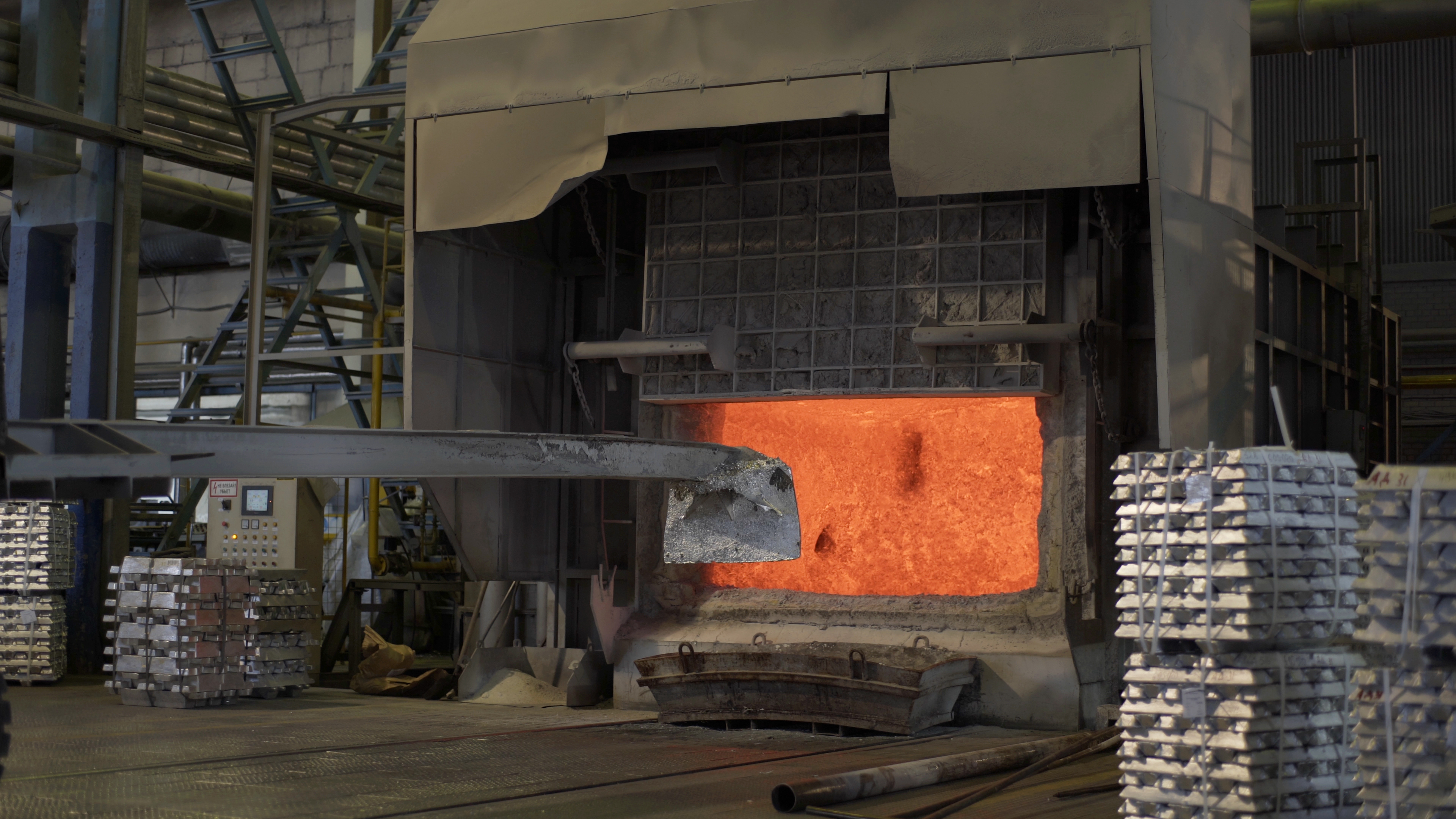
Absolutely! Innovations continuously emerge within this field focusing on optimizing fiber size/shape/concentration ratios aimed at pushing boundaries even further regarding performance criteria!
Conclusion
In conclusion, addressing common concerns about using steel fibers in high-temperature environments is critical for advancing construction methodologies while ensuring safety and reliability standards remain intact throughout any project's lifespan. With proper understanding coupled with effective implementation strategies grounded upon current best practices—engineers can confidently harness the benefits offered by innovative materials like SFRC without compromise!
By exploring each facet carefully through diligent research paired with practical experience—we’ve established how integrating these versatile components not only enhances structural resilience but also fosters long-term sustainability across diverse applications!